
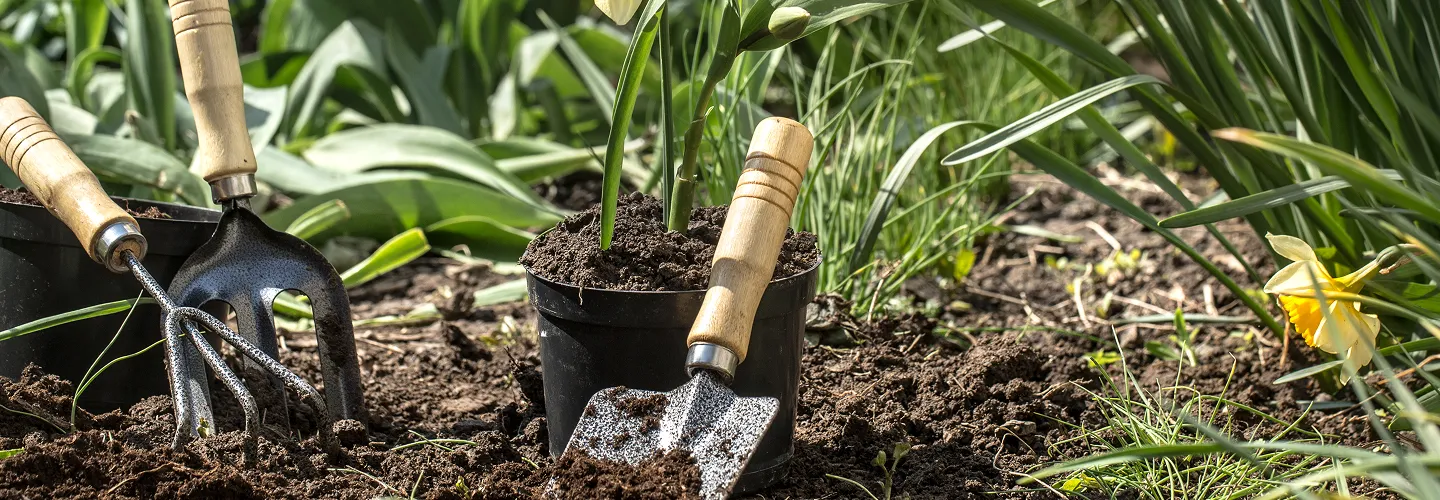
Scotland Fertilizing Lawn Services
Choose our fertilizing lawn services for lush, healthy grass that thrives all season long—our expert care ensures your yard stands out with vibrant color, resilience, and lasting beauty.
Get a Free QuoteOur Scotland Landscaping & Yard Care Services
When to Schedule Fertilizing Lawn in Scotland, Connecticut – Seasonal Guide
In Scotland, Connecticut, timing your lawn fertilization is crucial for achieving lush, healthy turf that can withstand the region’s unique climate. The best periods for fertilizing are typically early spring—after the last frost—and early fall, when soil temperatures are still warm but the risk of summer drought has passed. Neighborhoods near the Mohegan State Forest or along Route 97 often experience microclimates, with shaded yards and varying soil types that can influence the ideal fertilization window.
Local environmental factors such as late spring frosts, high summer humidity, and the sandy loam soils common in areas like Palmer Road all play a role in determining the best schedule. Homeowners should also consider municipal guidelines and resources, such as those provided by Sudbury’s local government, to ensure environmentally responsible practices.
Local Factors to Consider for Fertilizing Lawn in Scotland
- Tree density and shade coverage, especially in wooded neighborhoods
- Terrain and drainage, which affect nutrient absorption
- Seasonal precipitation patterns and drought risk
- Soil composition, such as sandy or clay-heavy areas
- Municipal restrictions or recommendations on fertilizer use
Benefits of Fertilizing Lawn in Scotland

Enhanced Grass Growth
Improved Lawn Health
Weed Resistance
Greener Appearance
Stronger Root Systems
Seasonal Resilience

Scotland Fertilizing Lawn Types

Cool-Season Grass Fertilization
-
Organic Lawn Fertilizers
-
Slow-Release Fertilizer Application
-
Weed and Feed Treatments
-
Moss Control Fertilization
-
Soil pH Balancing
-
Seasonal Fertilizer Programs
Our Fertilizing Lawn Process
Soil Analysis
Fertilizer Selection
Application Scheduling
Even Fertilizer Distribution
Post-Application Inspection
Why Choose Scotland Landscape Services
-
Scotland Homeowners Trust Us
-
Expert Lawn Maintenance
-
Competitive Pricing
-
Professional Team
-
Satisfaction Guarantee
-
Personalized Service
-
Reliable Scheduling
Scotland’s Glacial Till Soils: Fertilizer Application and Soil Health Considerations
Scotland, CT is characterized by glacial till soils, including the Paxton and Charlton series, which are moderately acidic (pH 5.5–6.5) and often poorly drained. These conditions require careful soil testing before fertilizer application to avoid nutrient runoff and ensure optimal turf health. Residents are encouraged to use the USDA Web Soil Survey to identify their property’s soil series and consult UConn Extension for soil testing services (typical cost: $15–25 per sample). Recommended amendments include lime for pH below 6.0 and compost incorporation (2–3 inches tilled to 6-inch depth) to improve structure. Fertilizer should be applied at a rate of 2–3 lbs nitrogen per 1,000 sq ft annually, split between spring and fall. Avoid application within 50 feet of wetlands or watercourses to comply with local and state environmental regulations.
Scotland CT Department of Public Works
9 Devotion Road, Scotland, CT 06264
Phone: (860) 423-9634
Official Website: Scotland CT Department of Public Works
Seasonal Fertilizer Timing and Weather Patterns in Scotland
Proper timing of fertilizer applications in Scotland is essential to maximize turf uptake and minimize environmental impact. The region falls within USDA Hardiness Zone 6a, with cool-season grasses such as Kentucky bluegrass (Poa pratensis) and perennial ryegrass (Lolium perenne) predominating. Optimal fertilization windows are early May (soil temperature 55°F) and early September, avoiding the summer heat stress period (June–August). Residents should monitor local forecasts through the National Weather Service – Boston/Norton Office to avoid applying fertilizer before heavy rainfall, which can increase runoff risk. Key timing guidelines include:
- Spring application: April 25 – May 20 (soil temp 50–65°F)
- Fall application: September 1 – September 30
- Avoid fertilizing before storms or during drought
- Water in fertilizer with 0.25–0.5 inches of irrigation if rainfall is not expected
Municipal Coordination and Fertilizer Use Regulations in Scotland
Fertilizer use in Scotland is regulated to protect local water bodies, including the Shetucket River and adjacent wetlands. The Connecticut Environmental Protection Act and the town’s MS4 stormwater permit prohibit fertilizer application within 25 feet of wetlands and 50 feet of open water. Residents must also prevent grass clippings and fertilizer granules from entering storm drains, as required by the Clean Water Act. Yard waste collection is available every Thursday from April through November; use biodegradable bags or 32-gallon containers for grass clippings and leaves. Prohibited materials include plastic bags and branches over 4 inches in diameter. For questions on compliance or collection schedules:
Scotland CT Department of Public Works
9 Devotion Road, Scotland, CT 06264
Phone: (860) 423-9634
Official Website: Scotland CT Department of Public Works
Safety Protocols and Equipment Standards for Lawn Fertilization in Scotland
All fertilizer applications in Scotland must adhere to municipal safety and equipment standards. Equipment operation is permitted:
- Monday–Friday: 7:00 AM – 7:00 PM
- Saturday: 8:00 AM – 6:00 PM
- Sunday and holidays: Prohibited Operators must use commercial-grade spreaders calibrated for even distribution and maintain a 15-foot buffer from property lines and public roads. Personal protective equipment (PPE) is required, including:
- Eye protection: ANSI Z87.1 safety glasses
- Gloves: Chemical-resistant
- Footwear: Non-slip, closed-toe
- Hearing protection: For equipment exceeding 85 dB All fertilizer storage must be in sealed, labeled containers away from wells and storm drains. For additional safety guidance or to report violations:
Scotland CT Building and Land Use Department
9 Devotion Road, Scotland, CT 06264
Phone: (860) 423-9634
Official Website: Scotland CT Building and Land Use Department
State and Federal Environmental Compliance for Fertilizer Use in Scotland
Fertilizer application in Scotland is subject to both state and federal environmental regulations. The Connecticut Department of Energy and Environmental Protection (CT DEEP) enforces MS4 stormwater requirements, which prohibit fertilizer and yard waste from entering storm drains and mandate a 25-foot no-disturbance buffer from wetlands. Applicators must comply with the Connecticut Environmental Protection Act and federal Clean Water Act. For technical guidance, consult UConn Extension for best management practices and soil testing. Scotland falls under EPA Region 1 for federal oversight. Violations may result in fines or remediation orders.
Connecticut Department of Energy and Environmental Protection
79 Elm Street, Hartford, CT 06106
Phone: (860) 424-3000
Official Website: Connecticut Department of Energy and Environmental Protection
What Neighborhoods Do We Serve Throughout Scotland, CT?
- Hanover Village: Features mature trees and older homes with compacted glacial till soils, requiring careful soil amendment and drainage management for effective fertilization.
- Palmer Road Corridor: Characterized by larger lots and proximity to wetlands, necessitating strict adherence to buffer regulations and runoff prevention.
- Devotion Road Area: Includes municipal buildings and public spaces, where fertilizer use must comply with town ordinances and public safety standards.
- Brook Road District: Contains properties adjacent to the Shetucket River, demanding extra caution to prevent nutrient runoff into sensitive water bodies.
- Pinch Street Neighborhood: Newer developments with mixed soil conditions and HOA guidelines that may specify fertilizer types and application schedules.
- Bass Road Environs: Rural lots with variable drainage and frequent wildlife presence, requiring tailored fertilizer timing and wildlife-safe practices.
- Waldo Road Extension: Features sloped terrain and seasonal water flow, making erosion control and slow-release fertilizers essential for compliance and effectiveness.