
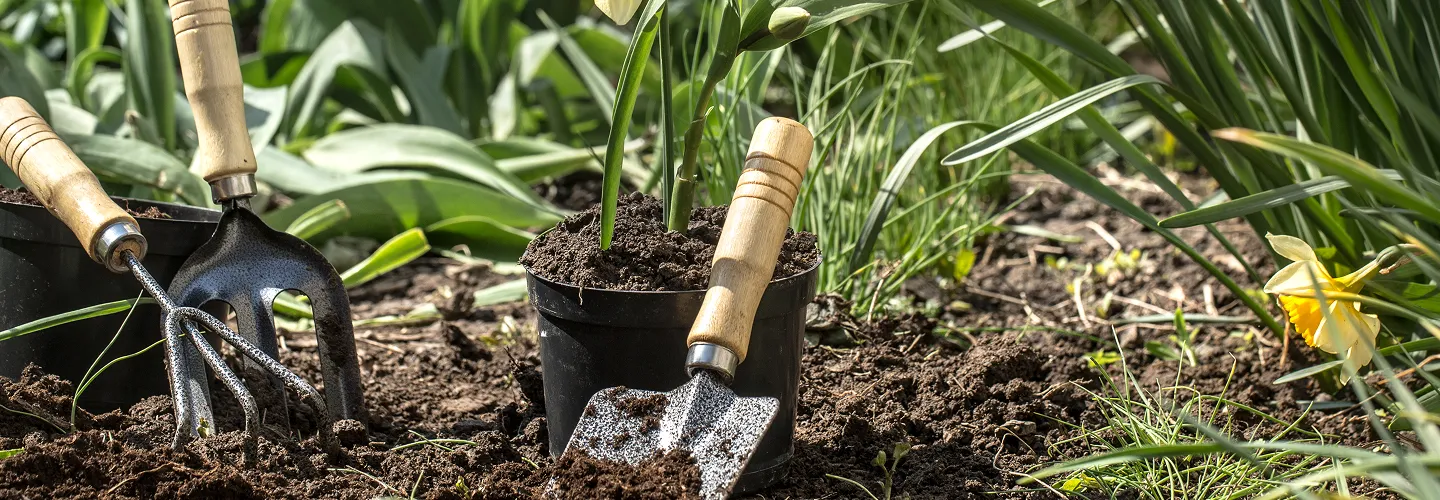
Scotland Flower Bed Maintenance Services
Choose our Flower Bed Maintenance for expert care, seasonal planting, and weed control—ensuring your garden stays healthy, colorful, and beautiful with minimal effort on your part.
Get a Free QuoteOur Scotland Landscaping & Yard Care Services
When to Schedule Flower Bed Maintenance in Scotland, Connecticut – Seasonal Guide
In Scotland, Connecticut, the timing of flower bed maintenance is closely tied to our unique climate and landscape. Early spring, just after the last frost date—typically in mid-April for neighborhoods near Waldo Road and the Scotland Green—is ideal for cleaning beds, dividing perennials, and applying fresh mulch. This ensures plants are ready to thrive as temperatures rise and the risk of late frost diminishes. Summer maintenance focuses on weed control and monitoring for drought, especially in areas with sandy soils or limited shade, such as properties along Pinch Street. Fall is another key window, as cooler temperatures and increased rainfall help prepare beds for winter, allowing for bulb planting and soil amendment.
Local environmental factors play a significant role in determining the best maintenance schedule. Scotland’s variable precipitation, occasional drought risk, and the presence of mature tree canopies in neighborhoods like Palmer Road all influence when and how often flower beds should be tended. For more detailed guidance on local climate patterns, consult resources like the Sudbury, MA municipal site, which offers helpful regional insights.
Local Factors to Consider for Flower Bed Maintenance in Scotland
- Proximity to mature woodlands or dense tree coverage (affecting sunlight and leaf litter)
- Soil type (sandy vs. loamy soils impact drainage and nutrient needs)
- Average precipitation and drought risk during summer months
- Frost dates and temperature swings in spring and fall
- Terrain slope and drainage patterns, especially near the Shetucket River
- Municipal guidelines or restrictions on water use and landscaping
Benefits of Flower Bed Maintenance in Scotland

Enhanced Curb Appeal
Weed and Pest Control
Seasonal Plant Health
Professional Expertise
Time and Effort Savings
Sustainable Landscaping Practices

Scotland Flower Bed Maintenance Types

Seasonal Planting
-
Weed Control
-
Soil Conditioning
-
Mulching Services
-
Pruning and Deadheading
-
Fertilization Programs
-
Pest and Disease Management
Our Flower Bed Maintenance Process
Site Evaluation
Weed Removal
Soil Preparation
Plant Care
Mulching
Why Choose Scotland Landscape Services

-
Scotland Homeowners Trust Us
-
Expert Lawn Maintenance
-
Competitive Pricing
-
Professional Team
-
Satisfaction Guarantee
-
Personalized Service
-
Reliable Scheduling
Scotland’s Glacial Till Soils: Implications for Flower Bed Maintenance
Flower bed maintenance in Scotland, CT requires careful consideration of the region’s predominant glacial till soils, which are typically classified as Inceptisols and Ultisols according to the USDA Web Soil Survey. These soils are often rocky, moderately acidic (pH 5.5–6.5), and can exhibit poor drainage, especially in low-lying areas. For optimal plant health, soil amendments such as lime (for pH below 6.0) and compost (2–3 inches tilled to a 6-inch depth) are recommended. Soil testing is available through UConn Extension for a typical fee of $15–25. When planning new beds, ensure a minimum 12-inch depth of amended soil to support perennial root systems. Regular mulching helps retain moisture and suppress weeds, but avoid piling mulch against stems to prevent rot. These practices are essential for sustaining vibrant flower beds in Scotland’s unique soil environment.
Municipal Coordination for Yard Waste and Debris Disposal in Scotland
Proper disposal of flower bed debris in Scotland is governed by municipal collection schedules and local ordinances. Yard waste collection typically occurs every Thursday from April through November. Accepted materials include leaves, grass clippings, and brush under 4 feet in length, which must be placed in biodegradable bags or reusable bins (32-gallon maximum). Plastic bags and branches over 4 inches in diameter are prohibited. Residents must not deposit yard waste in storm drains or wetlands, as this violates Scotland’s MS4 stormwater permit under the Clean Water Act. For questions regarding collection procedures or to report illegal dumping, contact:
Scotland CT Department of Public Works
9 Devotion Road, Scotland, CT 06264
Phone: (860) 423-8859
Official Website: Scotland CT Department of Public Works
Environmental Compliance: Wetland Buffers and Stormwater Management in Scotland
Flower bed maintenance near Scotland’s wetlands and watercourses is subject to strict environmental regulations. A 25-foot no-disturbance buffer is required from the edge of all regulated wetlands, and no fertilizer or pesticide applications are permitted within 50 feet of water bodies. Scotland’s MS4 permit, administered under the Connecticut Environmental Protection Act, prohibits the discharge of soil, mulch, or plant debris into storm drains. Activities impacting wetlands require review by the Inland Wetlands Commission, with permit review times typically 10–15 business days and application fees ranging from $50–$100. For guidance on compliance and permit applications, contact:
Scotland CT Inland Wetlands Commission
9 Devotion Road, Scotland, CT 06264
Phone: (860) 456-7797
Official Website: Scotland CT Inland Wetlands Commission
Selecting Native and Deer-Resistant Species for Scotland Flower Beds
Selecting appropriate plant species is critical for sustainable flower bed maintenance in Scotland’s USDA Hardiness Zone 6a. Native perennials such as wild bergamot (Monarda fistulosa), Joe Pye weed (Eutrochium purpureum), and cardinal flower (Lobelia cardinalis) are well-adapted to local conditions and support pollinators. For deer resistance, consider lavender (Lavandula angustifolia), Russian sage (Perovskia atriplicifolia), and salvia (Salvia nemorosa). Recommended spacing is 18–24 inches for most perennials to ensure healthy growth and airflow. For shaded areas, coral bells (Heuchera spp.) and hosta (Hosta spp.) perform reliably. Consult UConn Extension for additional plant selection resources and diagnostic services. Mulch flower beds annually to suppress weeds and moderate soil temperature, but maintain a 2–3 inch layer to avoid excess moisture retention.
Equipment Operation Hours and Safety Standards for Flower Bed Work in Scotland
All flower bed maintenance activities in Scotland must comply with municipal noise ordinances and safety protocols. Equipment operation is permitted during the following hours:
- Monday–Friday: 7:00 AM – 7:00 PM
- Saturday: 8:00 AM – 6:00 PM
- Sunday and holidays: Prohibited
Operators must use commercial-grade equipment with functioning mufflers and maintain noise levels below 85 decibels at property lines. Personal protective equipment (PPE) is required, including:
- Eye protection: ANSI Z87.1 safety glasses
- Hearing protection: Earmuffs or plugs for 85+ dB
- Footwear: Steel-toed, non-slip boots
- Gloves: Cut-resistant for pruning, chemical-resistant for applications
For questions regarding local ordinances or safety requirements, contact:
Scotland CT Building and Land Use Department
9 Devotion Road, Scotland, CT 06264
Phone: (860) 423-9634
Official Website: Scotland CT Building and Land Use Department
What Neighborhoods Do We Serve Throughout Scotland, CT?
- Waldo Road Area: Characterized by rocky glacial till soils and moderate slopes, requiring soil amendment and erosion control for flower bed stability.
- Devotion Road Corridor: Features larger lots with mature trees, leading to increased leaf litter and shade, which influences plant selection and debris management.
- Pinch Street District: Contains properties near wetlands and watercourses, necessitating strict buffer compliance and careful fertilizer use to protect sensitive habitats.
- Brook Road Vicinity: Experiences periodic flooding and poor drainage, making raised beds and moisture-tolerant species essential for successful maintenance.
- Palmer Road Neighborhood: Includes newer developments with compacted soils and limited organic matter, requiring regular soil testing and amendment for healthy plant growth.
- Scotland Center: Historic area with mixed-use properties, narrow access points, and potential zoning restrictions affecting landscape modifications.
- Bass Road Area: Proximity to conservation lands and wildlife corridors increases deer pressure and mandates the use of deer-resistant plantings and protective fencing.